Teaching & Mentoring
Teaching
Throughout my career, I have had the privilege of teaching students at all levels, and my experience has shown that the best way to learn is through a hands-on approach: to really learn about organisms, you have to go and meet them. Whether in a lecture hall, a museum collection or a desert outcrop, I try to make teaching curiosity-driven and grounded in the natural history of the places where students live.
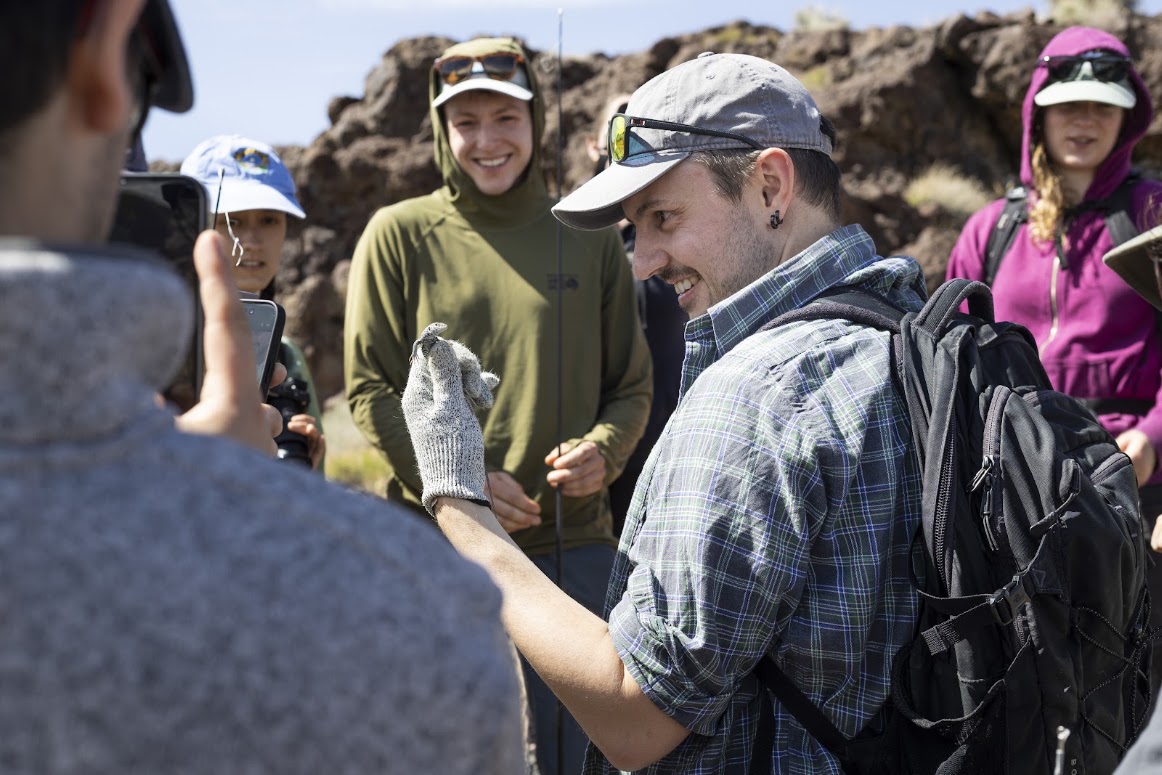
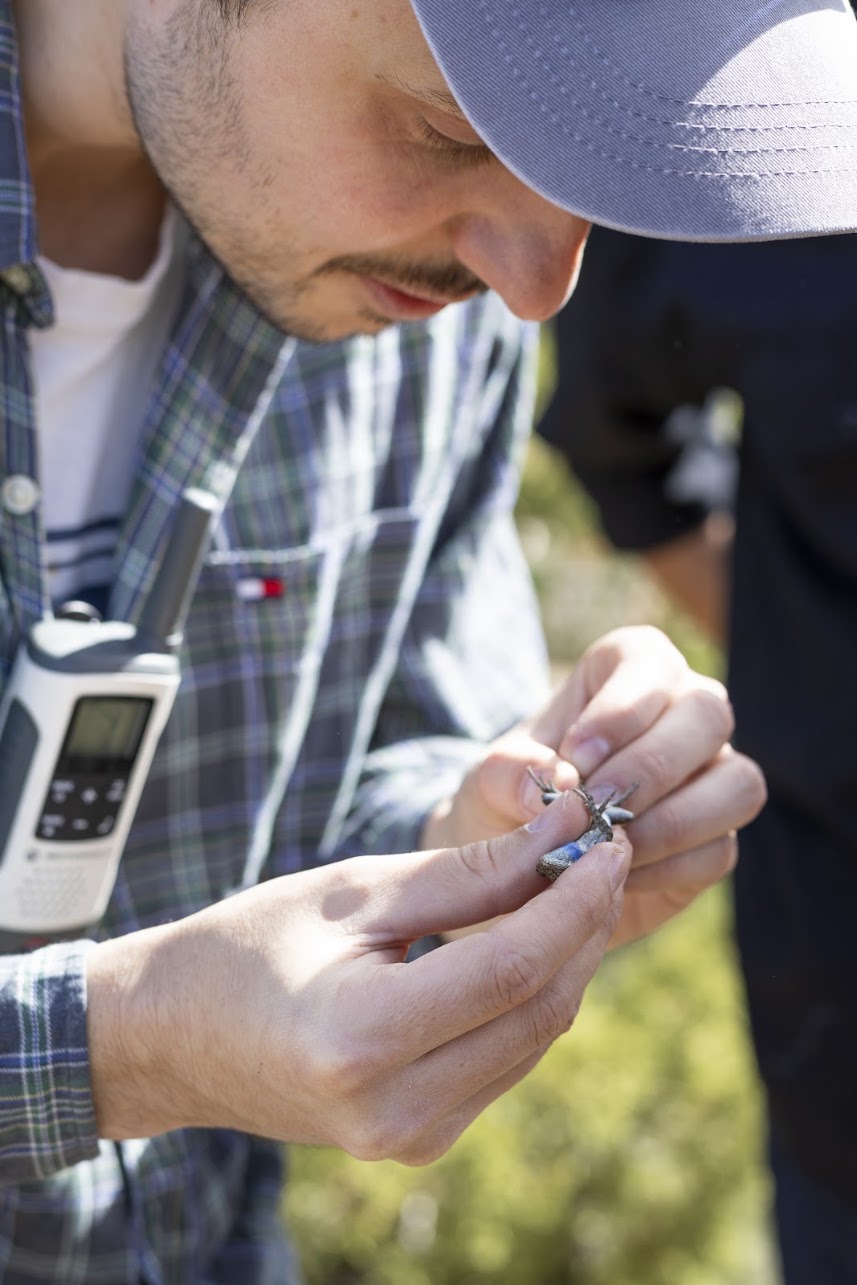
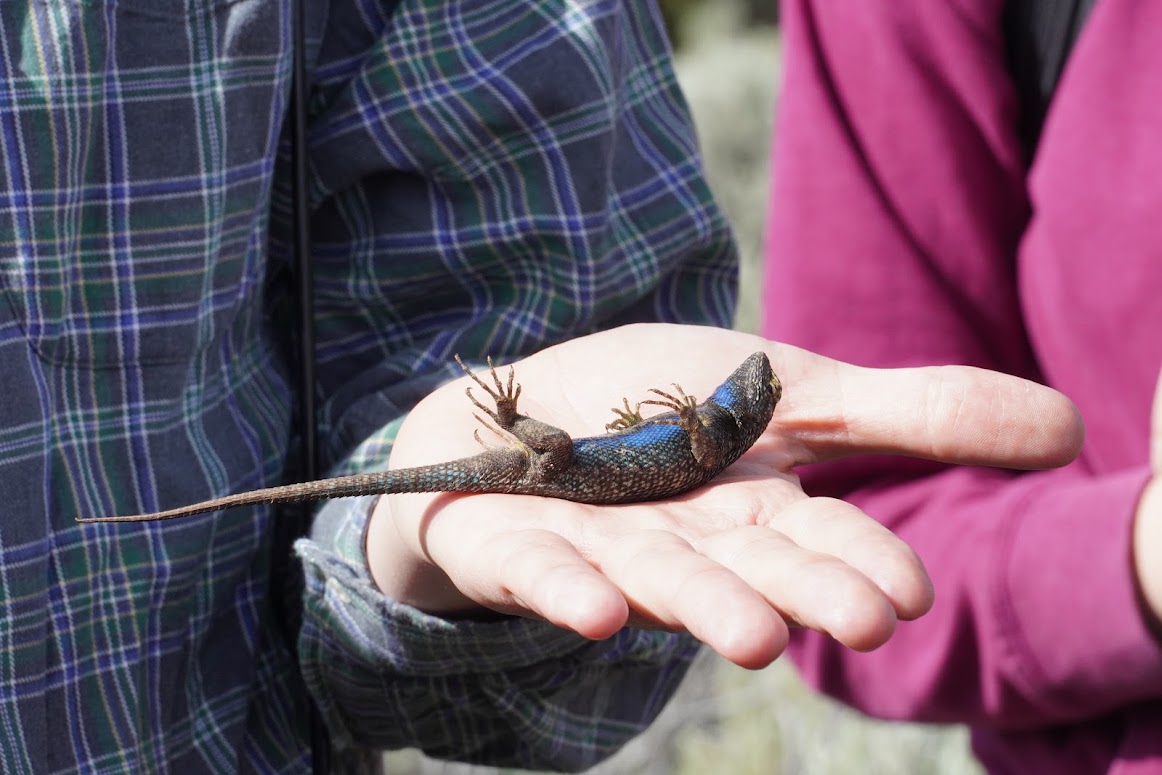
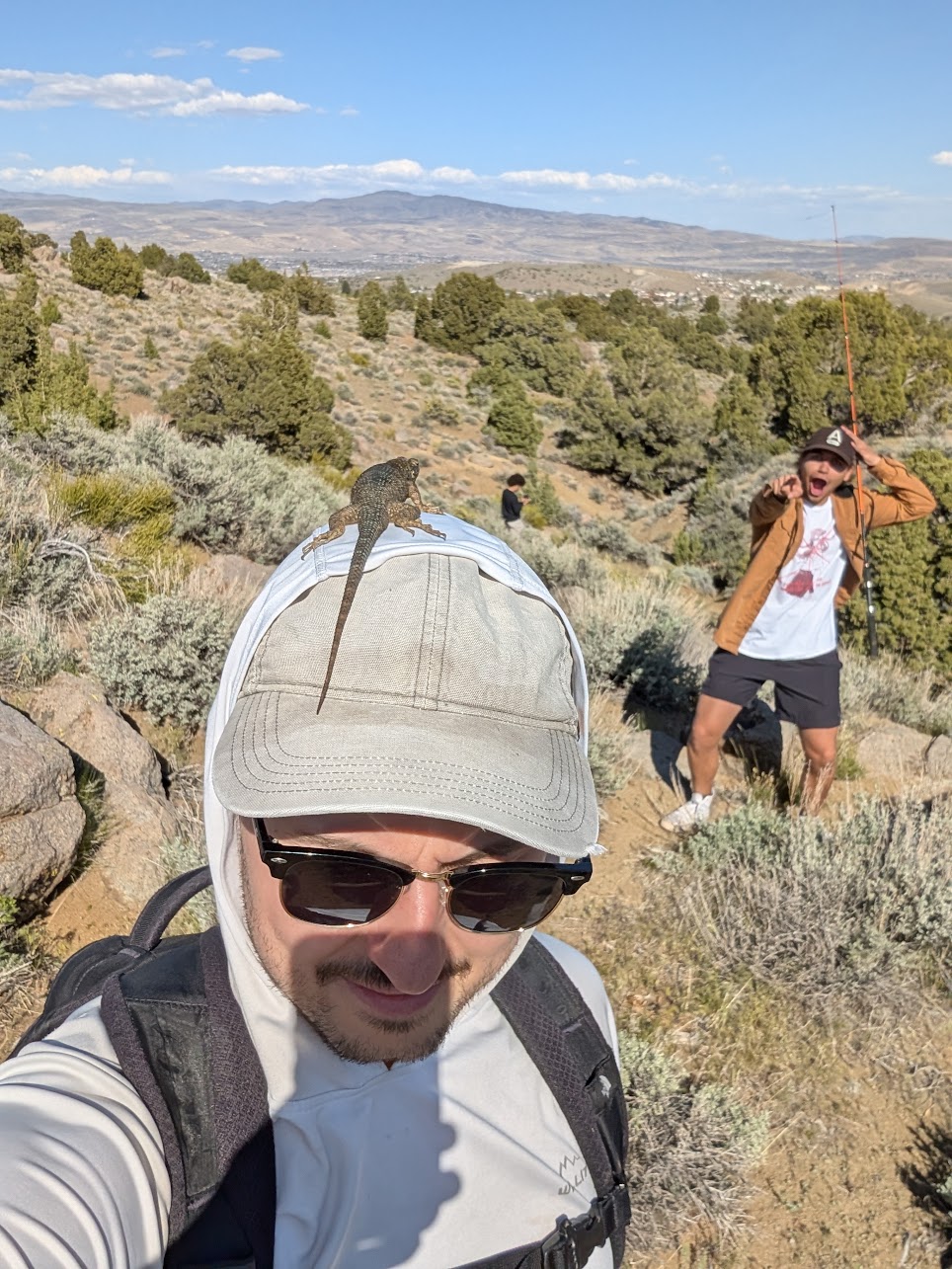
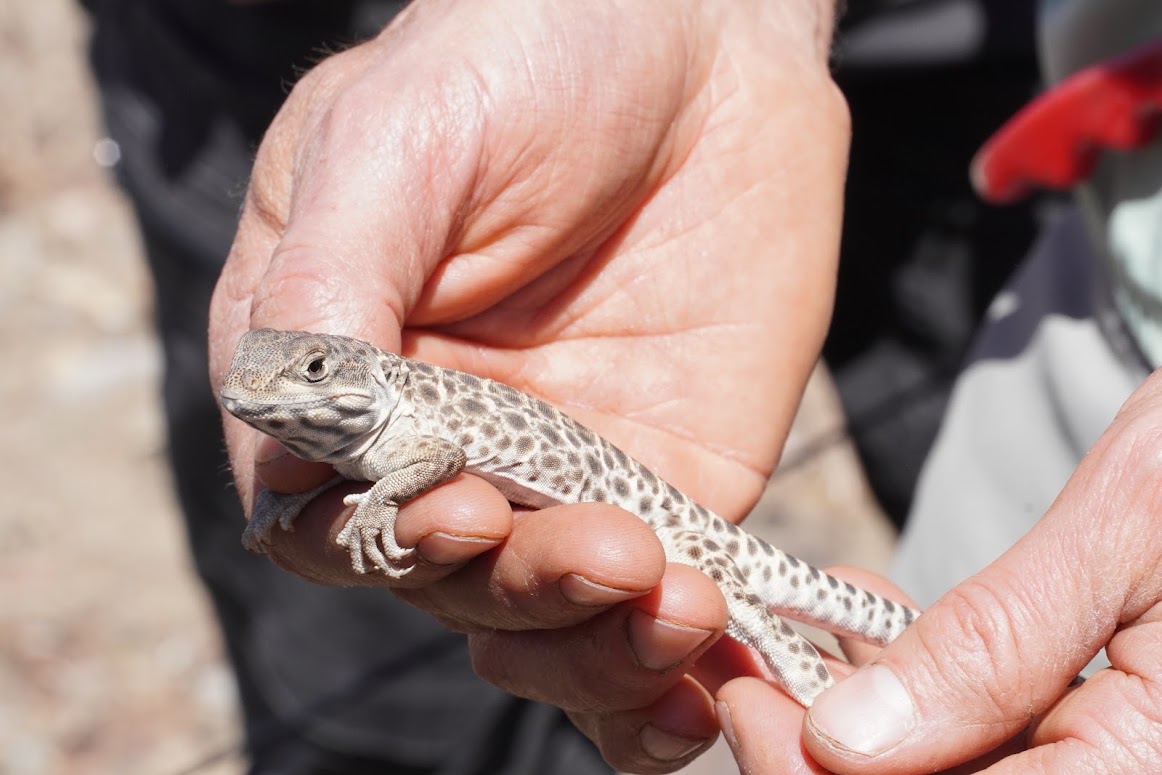
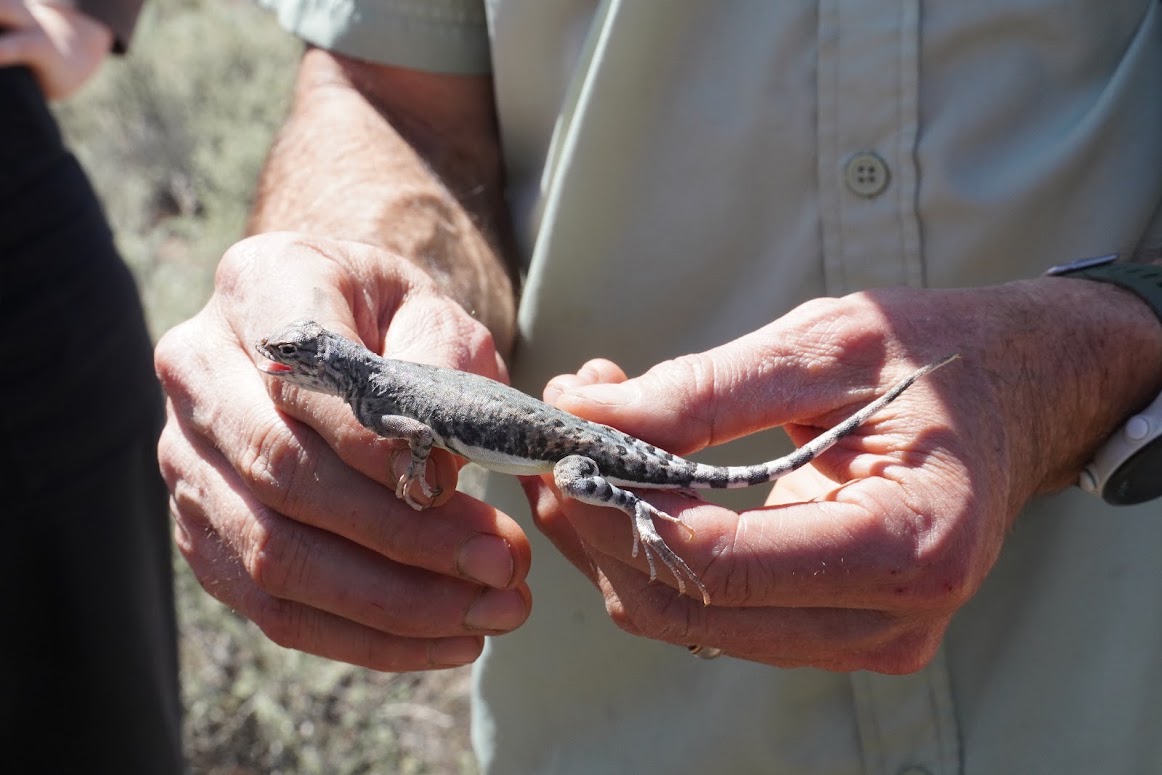
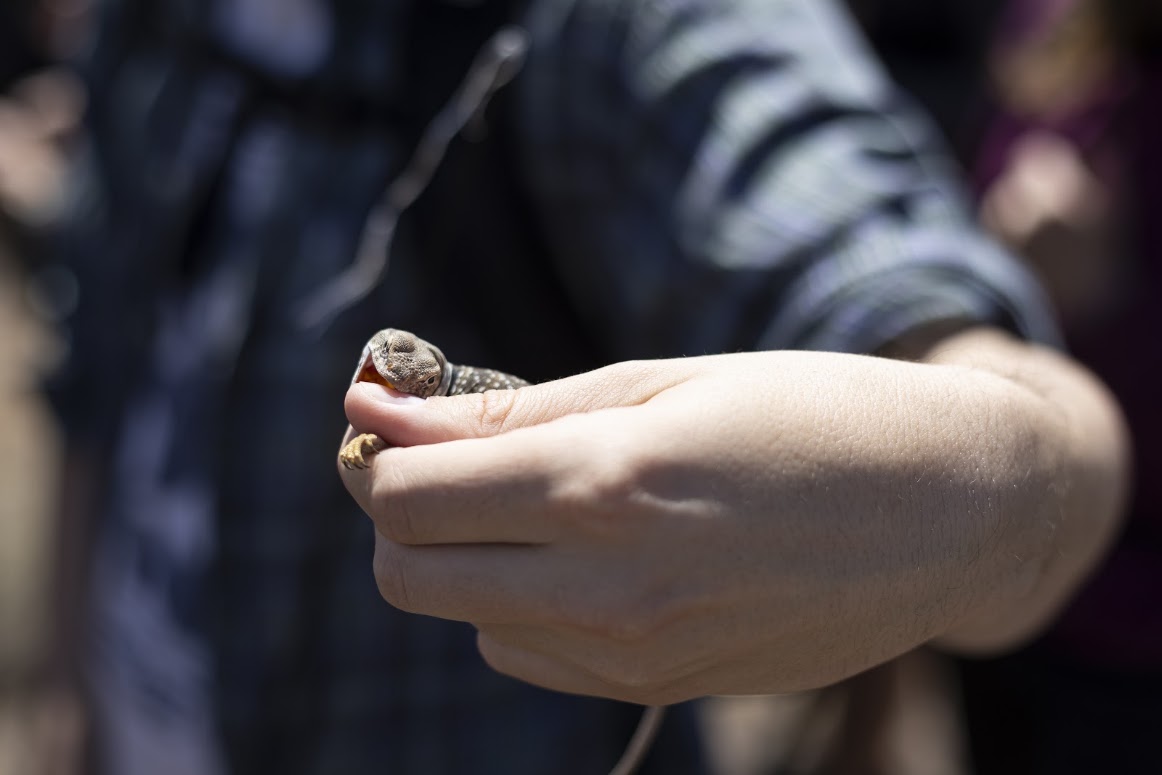
In Herpetology at the University of Nevada, Reno, that meant working with specimens from the university’s museum collection and then taking the class out into the Great Basin Desert to find the remarkable lizard diversity living in students’ own backyard. Field days meant learning to spot, catch (sometimes with a lizard lasso), handle and identify lizards, and, inevitably, getting bitten by a few of them.
Courses taught
2025–2026 Herpetology · BIOL 432
2022–2025 Evolution · BIOL 415
2022 Principles of Biological Investigation · BIOL 195
2021 Human Anatomy & Physiology Lab
All as Graduate Teaching Assistant
In the field with Herpetology (BIOL 432)
Mentoring
Mentoring students through their first research experiences is one of the most rewarding parts of my work. My mentees have collected data alongside me in the field and in the lab, and have gone on to win research awards, lead their own conference presentations, start graduate programs and land professional positions. Two of them presented their own projects at the 2024 meeting of the Society for Integrative and Comparative Biology: one on parasitism and the pace of life, and one on why western fence lizards are blue.
Outcomes
Research award Nevada Undergraduate Research Award
Graduate program accepted into graduate school
Hired professional position in the field
University of Nevada, Reno · undergraduates
- Kate Bain Graduate program
- Ethan Carmona
- Kaitlyn Napier Research award Graduate program Hired
- Neil Babu Research award
- Griffin Pugh Graduate program
- Cody Chapman
- Shea McKendree Hired
- Allison Dorny
University of Barcelona · undergraduates
- Joan Espígol Hired
- Nicolás Merino Graduate program
Headwaters Science Institute · high school
- Michaela Fijas